

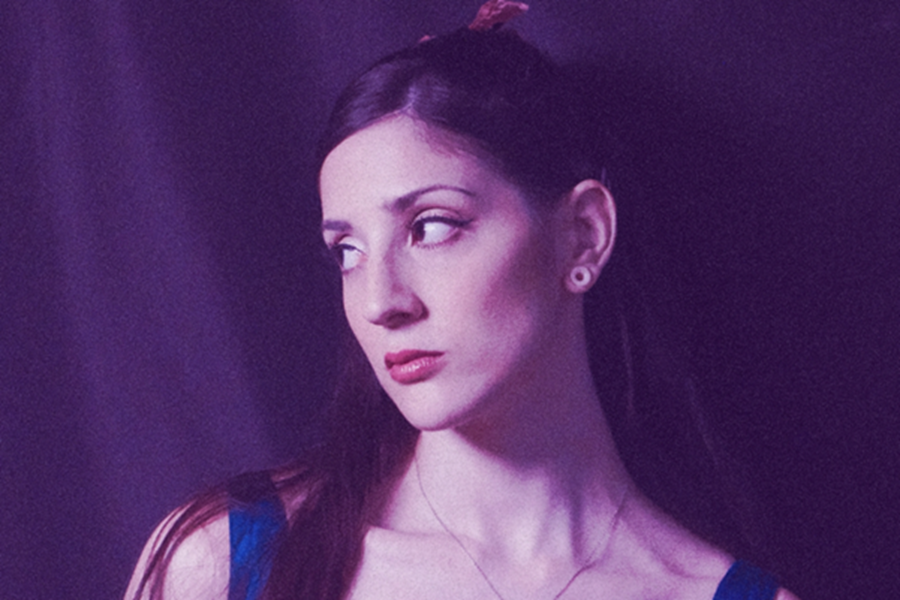
Here’s why she stands out
There is a lot of talent in the pop music business. There are always new voices, the quality of production is better than ever, and getting things out to people is easier than ever. But pop music often doesn’t have much depth. In the race for immediacy – viral moments, quick consumption, and algorithmic favor – we often lose substance. Erika Torres is different because she adds musicality, cultural depth, and purpose to a genre that too often prioritizes speed over meaning. Her new single, set for release on February 19, is bound to add even more color to our music scene.
The foundation of Torres’ work is what makes it stand out. Many modern pop artists get their start by sharing their work online, but she got hers through formal training and years of performing. She learned a lot about music, which helped her voice and her understanding of composition, harmony, and structure. Everything she creates is based on what she learned in school. Her singing has control and emotional depth, and her style gives her songs a physical presence that is becoming less common in mainstream pop.
Her baritone saxophone is one of the things that makes her sound unique. In a style where programmed bass lines and synthetic textures are common, the baritone saxophone adds a deep, resonant tone that gives her music a strong base. It gives things warmth, weight, and soul, which are hard to copy digitally. This isn’t just a decorative choice or a visual trick; it’s a big part of how her music sounds. The saxophone gives her songs a solid base, so they don’t just float by like useless content; they move with purpose.
That level of art makes records that sound big. Torres’ songs have live brass, layered harmonies, and rhythm-forward arrangements that make you want to move. You don’t just hear her music; you feel it. It has both space and movement. Her work reminds me of a time when pop songs were made to fill rooms and stages, not just playlists.
New Orleans is very important in shaping that way of thinking. Torres’ art is heavily influenced by a city where music is a part of everyday life, not just studios and stages. Music is a part of celebrations, rituals, grief, and faith in New Orleans. Jazz, gospel, and brass band traditions all exist and overlap. They all value expression and community over perfection. Torres learned what music is for in that setting.
Because of this, her work feels real instead of like acting. The influence of New Orleans isn’t just in her style; it’s also in the way she tells stories, works with others, and plays music. Her songs come from a culture that values emotion and shared experience, which gives them a sense of honesty that goes beyond genre.
Torres gets ideas from more than just music. She also likes classical art, especially styles that focus on beauty, structure, and transcendence. These influences shape her visual style and narrative voice, making sound and image work together. Her visuals often mix old-fashioned elegance with modern realism. They draw on the glamour of Old Hollywood and the style of the Renaissance, but they are still very much in the present.
This layered approach to identity makes her brand feel real instead of fake. Torres’ artistic world feels special in an industry where artists churn out records quickly to fit trends. Sound, visuals, and themes all work together to support each other. Everything feels planned.
Faith gives her work a new level of depth. Instead of making spirituality a niche identity or a clear message, Torres lets it quietly shape how she sees the world. It affects how she thinks about things like happiness, abundance, resilience, and self-worth. Her music doesn’t tell people what to do or how to act; it makes them think. It gives people a chance to reconnect with values that pop culture often ignores.
This point of view is especially interesting right now, when a lot of people are tired of vague definitions of success. Torres’ work proposes an alternative framework in which success is evaluated not solely by visibility or income, but by alignment and purpose. Her songs talk about struggle while also focusing on growth, giving a sense of hope without ignoring how hard things can be.
Interestingly enough, Torres’ depth doesn’t make it harder to get to. Her music is still very pop, with catchy melodies, interesting lyrics, and rhythms that make you want to dance. This balance is what makes her role in the business so important. She shows that pop music can be good both for business and for the arts. The two do not cancel each other out.
Her current partnerships support that belief. Torres collaborates with talented songwriters and producers from all over the world, many of whom have worked at the highest levels of the business. These partnerships give her more reach, but they don’t change her voice. Instead, they make it louder, giving her the chance to bring substance to places where it is often lacking.
People are looking for more and more authenticity these days, so Erika Torres’ sound is not only refreshing but also needed. She is an example of a pop artist who values craft, culture, and meaning as much as success. Her work shows that people want music that does more than just make them feel good; they want music that they connect with.
There shouldn’t be fewer pop artists. The world needs more artists who know what they want. Erika Torres stands out because she adds depth to a genre that often lacks it. She reminds us that pop music can still be soulful, thoughtful, and human at its best. Keep an eye out on Torres’ website to listen to her new single as soon as it drops!
You can also follow Torres’ music career on YouTube and Instagram.