
Rock Lobster Band: Bringing High-Energy Live Entertainment to Unforgettable Events

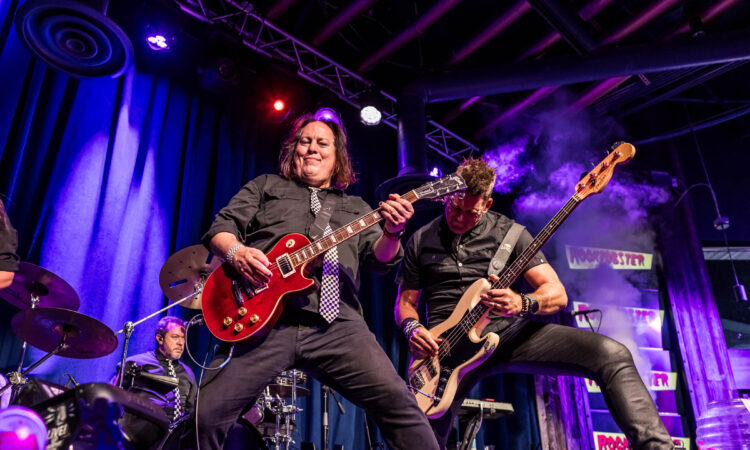

Guests may appreciate a beautiful venue, creative décor, excellent food, and thoughtful hospitality, but entertainment often determines how an event actually feels. It creates energy, encourages interaction, fills transitions, and gives people a shared experience to remember after the celebration is over.
This is especially important for corporate functions and private events where attendees may not know one another well. Music can break down social barriers and create an environment where guests feel more comfortable participating.
A high-energy act such as Rock Lobster Band can help turn passive attendees into active participants by combining recognizable music with an engaging stage presence. Instead of entertainment simply happening in the background, the performance can become a central part of the guest experience.
For event planners, the objective is not merely to fill a stage. It is to choose entertainment that fits the audience, complements the occasion, and creates the right atmosphere at the right time.
What Makes a Live Band Different?
Recorded music can certainly create an enjoyable environment, but a live performance introduces an element that cannot be completely replicated by a playlist.
Musicians react to the room.
They can recognize when guests are ready to dance, when the energy needs to increase, or when a song is creating an especially strong response. This interaction between performers and attendees makes every event slightly different.
Live bands also provide visual entertainment. Even guests who are not dancing can watch the musicians perform and enjoy the stage experience.
That combination of sound, personality, movement, and audience interaction makes live entertainment particularly effective for events designed around celebration.
Familiar Music Creates Immediate Connections
Recognizable songs can bring together guests with very different backgrounds.
The first few notes of a familiar favorite may generate an immediate reaction. People sing along, turn toward friends, move closer to the dance floor, or remember another time when the song was meaningful to them.
This familiarity is valuable at corporate gatherings because audiences are often diverse.
Executives, employees, customers, partners, and guests may represent different age groups and musical preferences. A varied performance gives more people opportunities to hear something they recognize and enjoy.
Rather than focusing on one narrow style, versatile entertainment can keep the experience accessible to a wider audience.
Corporate Events Need More Than Background Entertainment
Corporate entertainment has a unique challenge.
It needs to be exciting without distracting from the organization’s goals.
The event may begin with speeches, awards, presentations, or formal networking before shifting into a more relaxed celebration. Entertainment needs to complement that progression.
A band might begin after dinner or once formal programming has concluded, signaling a clear transition from business activities to celebration.
That transition can be particularly effective at:
- Company anniversaries
- Employee recognition programs
- Sales celebrations
- Holiday parties
- Incentive events
- Conference receptions
- Client appreciation events
- Product launches
The right performance can provide a satisfying conclusion to a day of meetings while encouraging colleagues to connect in a less formal environment.
Creating a Dance Floor People Actually Want to Join
A dance floor does not automatically become active because music begins.
The performers need to create momentum.
Song selection, pacing, stage presence, and audience awareness all influence whether guests remain seated or decide to participate.
Successful live entertainment often builds energy gradually rather than trying to reach maximum intensity immediately. Familiar songs can invite early participation before increasingly energetic selections keep people involved.
Performers may also interact with guests through introductions, sing-along moments, or other forms of participation.
The goal is to make joining the celebration feel natural rather than forced.
Audience Engagement Makes Entertainment Memorable
People often remember experiences in which they actively participated more clearly than those they simply observed.
That principle makes audience engagement especially valuable.
When guests sing along, dance, respond to performers, or share a fun moment with coworkers and friends, the entertainment becomes part of their personal event story.
These experiences can also produce memorable photographs and videos.
A crowded dance floor, laughing guests, and enthusiastic reactions communicate something about an event that a photograph of an empty stage cannot.
For organizations, this type of content can demonstrate company culture and employee engagement long after the gathering concludes.
Private Parties Benefit From Live Energy Too
High-energy bands are not limited to corporate events.
Private celebrations can benefit from the same interactive atmosphere.
Birthday parties, anniversaries, milestone celebrations, reunions, and other special occasions often bring together guests who have different relationships with the host and with one another.
Live music gives everyone something to experience together.
It can also help structure the evening. Guests might begin with cocktails and conversation, enjoy dinner, and then transition into dancing once the band takes the stage.
This natural progression helps the celebration feel intentional without requiring constant announcements or scheduled activities.
The Importance of Reading the Room
One of the most valuable skills a live performer can bring to an event is the ability to understand the audience.
A set list planned weeks in advance may provide a useful framework, but real events are unpredictable.
Perhaps guests are ready to dance earlier than expected. Maybe a particular musical style receives an especially enthusiastic response. Or the audience may need a gradual transition before becoming comfortable on the dance floor.
Experienced musicians observe these signals.
Adjusting pacing and song selection based on audience response can make the difference between entertainment that feels generic and a performance that feels connected to the room.
Production Quality Supports the Performance
A talented band still needs appropriate technical support.
Sound quality, lighting, stage placement, power requirements, and room acoustics all influence the guest experience.
If the music is too loud during a dinner event, guests may struggle to communicate. If it is too quiet during a dance set, the performance may lack impact.
The venue itself also matters.
A ballroom, outdoor patio, resort lawn, conference space, and private residence all have different acoustic and production requirements.
Planning these details in advance allows the entertainment to feel integrated into the event instead of added at the last minute.
Consider the Event Timeline
Entertainment should be planned alongside the broader event schedule.
A typical corporate evening might include:
- Guest arrivals and cocktails
- Dinner
- Executive remarks
- Awards or recognition
- Live entertainment
- Dancing and socializing
The band needs to know when formal programming ends and when the entertainment portion begins.
Planners should also consider whether the performance will be continuous or divided into sets.
Coordinating these details prevents awkward pauses and keeps the evening moving smoothly.
Think About the Audience Before Choosing Entertainment
The most important question is not simply, “Is this band good?”
The better question is, “Is this band right for these guests?”
Event planners should consider audience demographics, company culture, event goals, musical preferences, venue characteristics, and the desired level of interaction.
An energetic performance may be ideal for a company celebration designed to reward employees after a successful year. A networking-heavy reception may require a different pacing strategy so guests can still communicate comfortably.
Entertainment becomes more effective when it is chosen around the experience planners want guests to have.
Music Can Strengthen Company Culture
Corporate events provide organizations with opportunities to express their culture outside the workplace.
An engaging celebration can communicate that the company values its employees, appreciates shared achievements, and understands the importance of building relationships.
Live entertainment supports this atmosphere by giving people a shared activity that is unrelated to daily responsibilities.
Employees from different departments may find themselves dancing together or singing along to the same song. Executives and team members can interact more casually.
These moments may seem simple, but they contribute to the sense of connection that corporate events are often designed to create.
Live Entertainment Can Support Brand Personality
Entertainment also sends a message about the organization hosting the event.
A sophisticated musical act can reinforce elegance. A contemporary performance may communicate innovation. An energetic party band can emphasize fun, confidence, and accessibility.
This makes entertainment part of the broader event design.
The stage, lighting, music, décor, venue, and programming should ideally work together to create one consistent experience.
When these elements align, guests are more likely to remember the event as a cohesive occasion rather than a collection of unrelated activities.
Creating Shareable Moments
Modern events often continue online while they are happening.
Guests photograph performances, record short videos, post dance-floor moments, and share experiences with people who are not attending.
Visually engaging entertainment naturally encourages this behavior.
A lively stage and enthusiastic crowd provide opportunities for organic social content. Corporate marketing teams may also use professional event photographs and video clips in future campaigns.
These assets can support event recaps, recruitment content, internal communications, and promotions for future gatherings.
In this way, the entertainment can generate value beyond the immediate audience.
Communication Before Event Day Is Essential
Good planning allows musicians, event planners, venues, and production teams to work together effectively.
Before the event, organizers should discuss important considerations such as:
- Performance schedule
- Venue size
- Stage dimensions
- Sound restrictions
- Load-in procedures
- Power requirements
- Guest demographics
- Special announcements
- Musical preferences
- Important event transitions
If the celebration includes surprise presentations or strict timing requirements, the entertainment team should know about them in advance.
Clear communication reduces uncertainty and helps the event feel seamless.
Maintaining Momentum Throughout the Evening
Energy management is one of the most overlooked aspects of event entertainment.
An evening has natural peaks and transitions.
Guests may be highly social during cocktails, quieter during dinner, attentive during speeches, and ready to celebrate afterward.
The entertainment should complement this rhythm.
Starting too intensely may feel premature. Waiting too long can allow energy to disappear.
Experienced performers and planners work together to determine when music should become more prominent and how the performance should develop throughout the evening.
When pacing is handled well, guests may not consciously notice it. They simply feel that the event flowed naturally.
Why Personality Matters as Much as Musical Ability
Technical skill is essential, but event entertainment is also about personality.
Guests respond to performers who appear comfortable, enthusiastic, and genuinely engaged.
Stage presence influences whether an audience feels invited into the experience.
Musicians who communicate naturally with guests can create a stronger connection than performers who simply move from one song to another.
This is particularly important for interactive corporate celebrations where the objective is to encourage participation.
Building an Experience Guests Will Talk About
The most successful entertainment creates moments people discuss the following morning.
Perhaps coworkers unexpectedly filled the dance floor. Maybe a favorite song brought multiple generations together. A spontaneous audience interaction might become the highlight everyone remembers.
These experiences cannot always be scripted.
What planners can do is create the conditions that make them possible: choose appropriate entertainment, provide strong production support, build a thoughtful timeline, and give performers room to respond to the audience.
That combination allows memorable moments to develop naturally.
Bringing Energy and Personality to the Celebration
For planners seeking an upbeat live-music experience, Rock Lobster Band represents the kind of entertainment that can help shift a gathering from structured programming into genuine celebration. Recognizable music, an engaging performance style, and audience participation can create an atmosphere in which guests feel encouraged to leave their seats and become part of the experience.
The value is not simply in hearing live songs. It comes from what happens around the music—coworkers connecting, friends celebrating, guests laughing, and an entire room sharing the same energetic moment.
Make Entertainment Part of the Event Story
Memorable events are built around experiences rather than individual planning elements.
Food, décor, location, lighting, programming, and hospitality all matter, but entertainment has a unique ability to connect those pieces emotionally. Music can signal transitions, energize a room, encourage interaction, and turn guests from spectators into participants.
A successful live band does more than perform songs. It reads the audience, adapts to the evening, creates momentum, and provides people with reasons to engage with one another.
For corporate celebrations, this can strengthen connections and reinforce company culture. For private parties, it can transform an important milestone into an experience shared by everyone in attendance.
When planners consider audience preferences, venue requirements, production quality, timing, and performance style together, live music becomes more than an item on the event checklist. It becomes part of the story guests take home with them—and one of the reasons they remember the celebration long after the final song ends.